Thinking about selling your Edgewater waterfront condo and wondering how to get top dollar without delays? You are not alone. Waterfront units shine when you showcase the view, the building, and the commute, but details like HOA reserves and flood insurance can make or break a deal. In this guide, you will learn how buyers think, which factors drive value, how to prep and price, and when to list for the strongest results. Let’s dive in.
Know your Edgewater buyer
Edgewater attracts several buyer groups. You will see NYC commuters who want more space and lower carrying costs than many city options, local move-up and downsizing buyers, and occasional investors or second-home buyers. The borough’s commuter convenience is a major draw. The municipal shuttles link to NY Waterway ferry service and bus connections, which boosts demand for riverfront living and quick access to Manhattan. You can review the borough’s current shuttle and bus information on the official site for Edgewater shuttles and buses.
What drives price for waterfront condos
Views and floor level
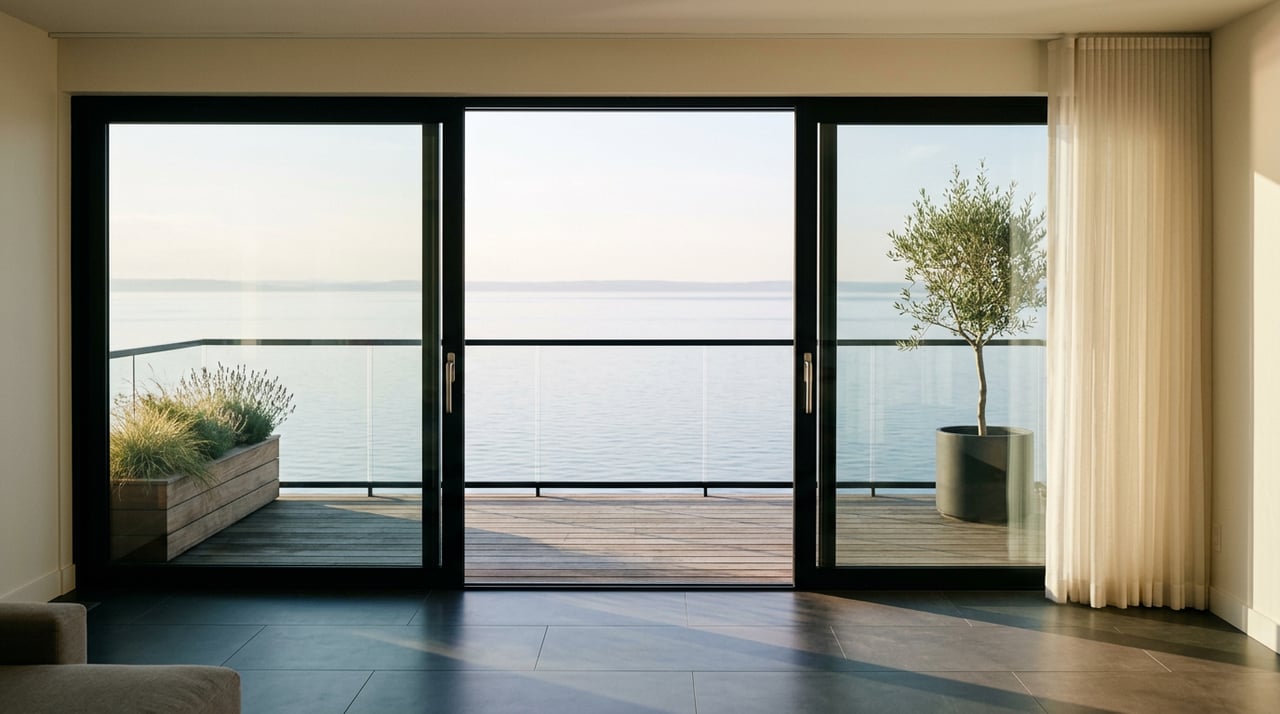
Direct, unobstructed Manhattan and Hudson River views are your single biggest value driver. Higher floors and south or southeast exposures often trade at a premium and sell faster. If your unit has a partial or blocked view, you will want to adjust price expectations or offer small incentives, such as a few months of covered HOA dues.
Amenities and HOA economics
Full-service buildings with 24-hour staff, fitness centers, pools, and rooftop spaces see more showings and stronger price per square foot. At the same time, monthly maintenance fees vary widely and are a key decision factor for buyers. Present the HOA budget, reserve status, and any pending assessments early. Transparent HOA information reduces friction and builds confidence.
Flood risk, insurance, and financing
Waterfront buildings may sit inside FEMA Special Flood Hazard Areas. Lenders typically expect to see building-level flood coverage under the NFIP’s Residential Condominium Building Association Policy, often called an RCBAP. If the master flood policy is insufficient, a lender may require supplemental coverage at the unit level, which can narrow your buyer pool. Confirm your building’s flood setup and help buyers verify flood maps through FEMA’s Map Service Center. For background on the RCBAP structure and why lenders rely on it, see this plain-English federal explainer on condominium RCBAP flood policies.
Building condition, reserves, and assessments
Buyers and appraisers scrutinize building maintenance, structural health, and reserve funding. After high-profile building failures nationwide, many associations strengthened reserve practices and disclosure standards. If your association has deferred maintenance, litigation, or upcoming capital projects, disclose these items upfront and share minutes or engineering summaries when available. Late discovery of large assessments can slow or sink a deal. For context on the increased focus on condo reserves and compliance, review this industry overview on reserves and regulatory updates.
Parking, storage, and rental rules
Deeded indoor parking and on-site storage are highly marketable features. Document these clearly, including space numbers and any fees. If your building limits rentals or short-term leasing, explain the rules in your resale materials. Investor buyers and corporate relocation candidates often ask about rental policies first.
Price it right from day one
Build a precise comp set
Use the same building or an immediately comparable complex on the same waterfront exposure for comps. Adjust for view quality, floor height, interior condition, recent upgrades, deeded parking and storage, and proximity to ferry or shuttle stops. Prioritize closed MLS sales from the past 90 to 180 days and treat active listings as competitive context. In Edgewater, small differences in exposure or floor can create large price swings, so overpricing by more than 3 to 5 percent usually increases days on market.
Set a strategic price band
Anchor your asking price in a tight value band that reflects your exact exposure, floor, and amenities. If your unit is top-tier on view and finish, price confidently within the premium tier. If you have a solid but not postcard-perfect view or an older finish level, position slightly below nearby premiums to capture broader demand and spark early showings. Your goal is to be the best value among true peers during the first two weeks on market.
Time your listing for demand
Spring is historically the strongest season for listings in our region, with a national study identifying mid-April as a top listing window due to higher buyer traffic and leaner competition. Edgewater’s commuter-heavy buyer pool also responds well to longer daylight hours and skyline-worthy twilight showings. That said, your best timing still depends on inventory, rates, and your building’s pipeline of upcoming listings. Allow 2 to 6 weeks for preparation, including document requests, inspections, and media production.
Your pre-listing checklist
Follow this step-by-step process to reduce surprises and keep momentum through contract and closing:
- Order the association resale package or estoppel early. Ask your HOA or management for the current fee, timeline, and what is included. This packet should cover bylaws and rules, minutes, current budget, insurance binder, assessments, and any litigation. A sample overview of association materials can be seen on this page for Peninsula at City Place resale info.
- Confirm flood status and master coverage. Look up your building on FEMA’s Map Service Center and ask management to confirm the master flood policy type and limits. If in a Special Flood Hazard Area, verify whether an elevation certificate exists and clarify what the master policy covers inside the walls so buyers can brief their lenders.
- Get a pre-listing inspection. Focus on windows and exterior doors, balcony condition, and HVAC performance. Documenting these items upfront reduces re-trades and supports appraisal.
- Verify reserves, assessments, and capital plans. Request recent minutes, a reserve study summary if available, and statements about pending projects or insurance renewals. Sharing clean, current financials can speed buyer diligence. You can reference the same Peninsula at City Place info page for examples of what associations commonly provide.
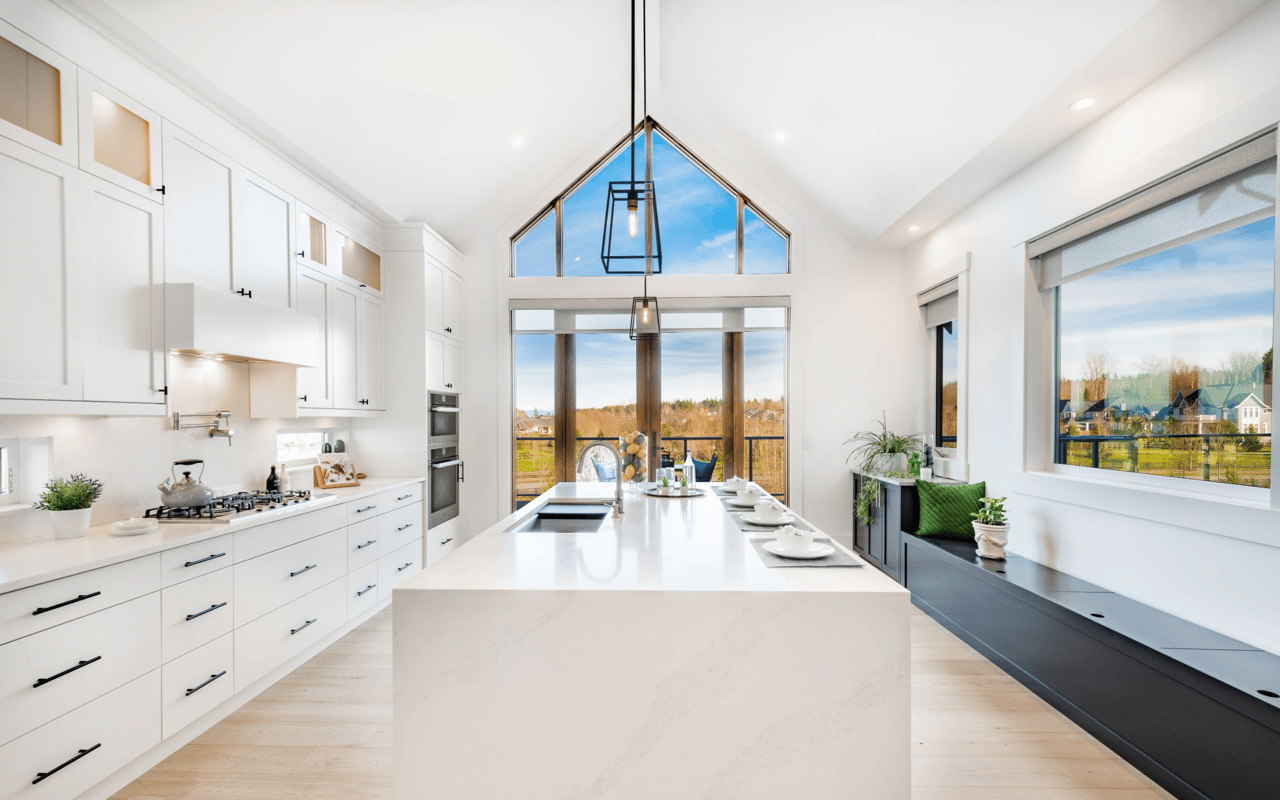
- Complete light repairs and stage for the view. Touch up paint, refresh caulk and grout, and declutter surfaces. Stage seating to frame window and balcony sightlines. Invest in a floor plan, professional daylight and twilight photography, and a short video or drone clip if building rules allow.
- Assemble closing documents. Pull your latest tax bill, certificate of occupancy or transfer requirements if applicable, keys and parking credentials, appliance manuals, and your HOA contact for resale questions. Having a complete file lowers friction.
- Prepare your net sheet early. Request a mortgage payoff from your lender and ask your attorney or title company for typical seller costs. In New Jersey, sellers commonly pay the Realty Transfer Fee as part of closing costs. Build this into your net proceeds plan.
Marketing that sells waterfront
Lead every asset with the view. Prioritize a hero image of the skyline or river corridor, then show the main living area, balcony, and building amenities. Capture both daylight and twilight shots to highlight water and city lights. Include a measured floor plan and a concise features list that calls out deeded indoor parking, storage, and in-building conveniences.
Highlight the commute story in your first lines. Note proximity to ferry, the borough’s shuttle links, and nearby NJ Transit bus access. Link to the borough’s page on Edgewater shuttles and buses for current riders who want specifics. If your goal is to attract commuter buyers quickly, coordinate a broker open targeted to NYC-based agents and schedule flexible showings during golden hour to showcase the view.
What to expect on seller costs
Every sale is unique, but most sellers should plan for these common line items:
- Broker commission, which is negotiable.
- Attorney and title fees.
- Mortgage payoff and any home equity payoffs.
- Prorated property taxes and unpaid HOA dues or assessments.
- New Jersey Realty Transfer Fee, typically paid by the seller absent a different contract agreement.
Ask your attorney or title company for an estimated net sheet before you launch. Your pricing and timing strategy should reflect your target net after these costs.
Sample listing phrases to use
Consider incorporating clear, factual highlights like these in your marketing copy when accurate for your unit:
- Direct Hudson and Manhattan skyline views with southeast exposure.
- Deeded indoor parking and on-site storage for added convenience.
- Master flood insurance (RCBAP) in place per association binder.
- Recent minutes and financials available with no large pending assessments.
- Easy commute via NY Waterway ferry, borough shuttle, and NJ Transit bus connections.
Your next step
If you want a confident sale with fewer surprises, start by tightening your documents and dialing in the view-first marketing. Pricing precisely to your floor, exposure, and amenities is how you capture the right buyers early. If you would like a building-specific pricing analysis and a tailored prep plan, we are here to help. Connect with TK Real Estate Group Inc to Schedule a Free Consultation.
FAQs
How long does it take to sell a waterfront condo in Edgewater?
- Market pace varies by view, floor, building, and price strategy, but well-priced units with strong views and clean HOA packages tend to move faster than the citywide average.
How does flood insurance affect my Edgewater condo sale?
- If your building is in a Special Flood Hazard Area, lenders usually look for a master RCBAP policy; missing or insufficient coverage can require supplemental insurance and slow deals, so confirm details early via FEMA’s Map Service Center.
What documents will buyers and lenders request in Edgewater condo sales?
- Expect HOA bylaws, rules, minutes, budget, reserve information, insurance binder, assessments, litigation disclosures, a recent tax bill, certificate of occupancy if needed, parking details, and any elevation certificate if in a flood zone.
When is the best time to list a waterfront condo in Edgewater?
- Spring often brings the most buyer activity, with mid-April historically standing out, but the best timing depends on current inventory and rates, plus your prep timeline of 2 to 6 weeks.
Do HOA fees and rules impact my final sale price?
- Yes. Amenities can raise value, but higher fees and strict rental rules can narrow your buyer pool. Clear disclosures on fees, reserves, and policies help set accurate expectations and protect your price.
Should I invest in staging for a waterfront condo?
- Yes, focus staging on framing window and balcony sightlines, adding neutral touches, and keeping surfaces clear. Pair staging with professional daylight and twilight photography and a measured floor plan for best results.